NASA Scientists Show How Gravitational Waves Can Reveal New Worlds
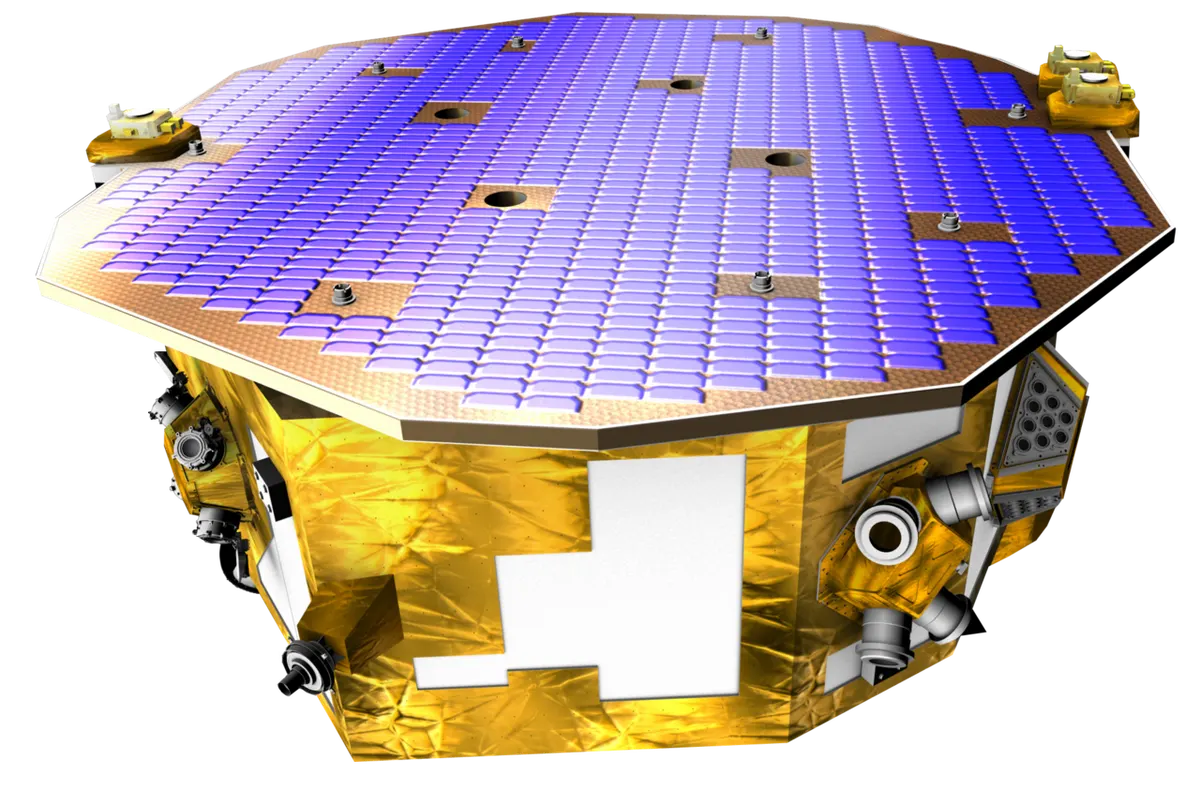
Two studies led by NASA astrophysicists describe in new detail how the Laser Interferometer Space Antenna (LISA), an observatory now in development to detect gravitational waves, could detect exoplanets. The analyses suggest LISA might reveal a previously inaccessible, unique population of worlds across the Milky Way by measuring the tiny ripples in space–time produced by orbiting masses.
Why this is good news
The analyses give NASA astrophysicists a pathway suggesting that LISA could detect exoplanets and access a previously inaccessible, unique population of worlds across the Milky Way. This matters because it would provide a gravitational-wave method for detecting exoplanets, adding a different signal type to the study of planetary systems.
What happens next
How will researchers evaluate LISA's ability to distinguish exoplanet-induced gravitational-wave ripples from other gravitational-wave sources?