The Daily Lift

Daily edition

Breakthroughs

NASA Invites Media, Public to Join Voyager 1 One-Light Day Activities

NASA is inviting media and the public to join activities as Voyager 1 reaches one light-day from Earth on Nov. 18. Launched in 1977, Voyager 1—now the most distant human-made object—will be more than 16 billion miles (25.9 billion kilometers) away, so light from Earth takes about 24 hours to reach it.
Original reporting: NASA · by Gerelle Q. Dodson · 1 min read

Originally published by NASA: First briefed by The Daily Lift: Last updated:
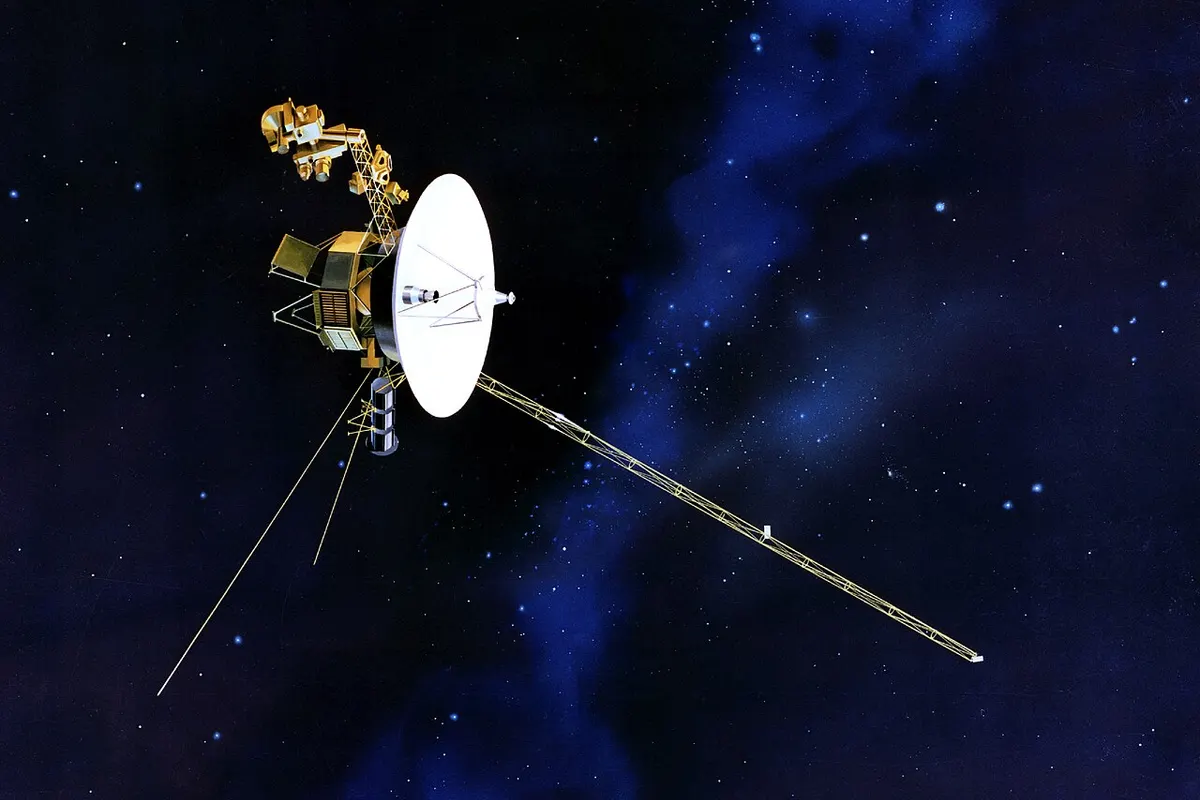
Illustrative photo: Artistic illustration of the Voyager spacecraft showing a large white parabolic antenna, instrument bus and a long boom against a star-filled space background.
Illustrative photo: NASA/JPL — Voyager spacecraft.jpg · Wikimedia Commons · Public domain. Changes: photo cropped and resized by The Daily Lift. If the remote photo is unavailable, a labelled original TDL illustration is shown instead.

Why this is good news

The invitation gives media and the public a direct way to engage with a notable space milestone as Voyager 1 reaches one light-day from Earth. Emphasizing that Voyager 1 is the most distant human-made object and that light takes about 24 hours to reach it highlights the spacecraft's extreme distance and the resulting communication delay.

What happens next

How can media and the public participate in NASA's Nov. 18 activities, and what specific access or participation details will NASA provide for the one-light-day observances?

Read the full story at NASA

This is a short original brief by The Daily Lift, not the publisher's full article. Credit and copyright for the original reporting remain with NASA.

Report a problem with this story · Corrections policy

Related stories

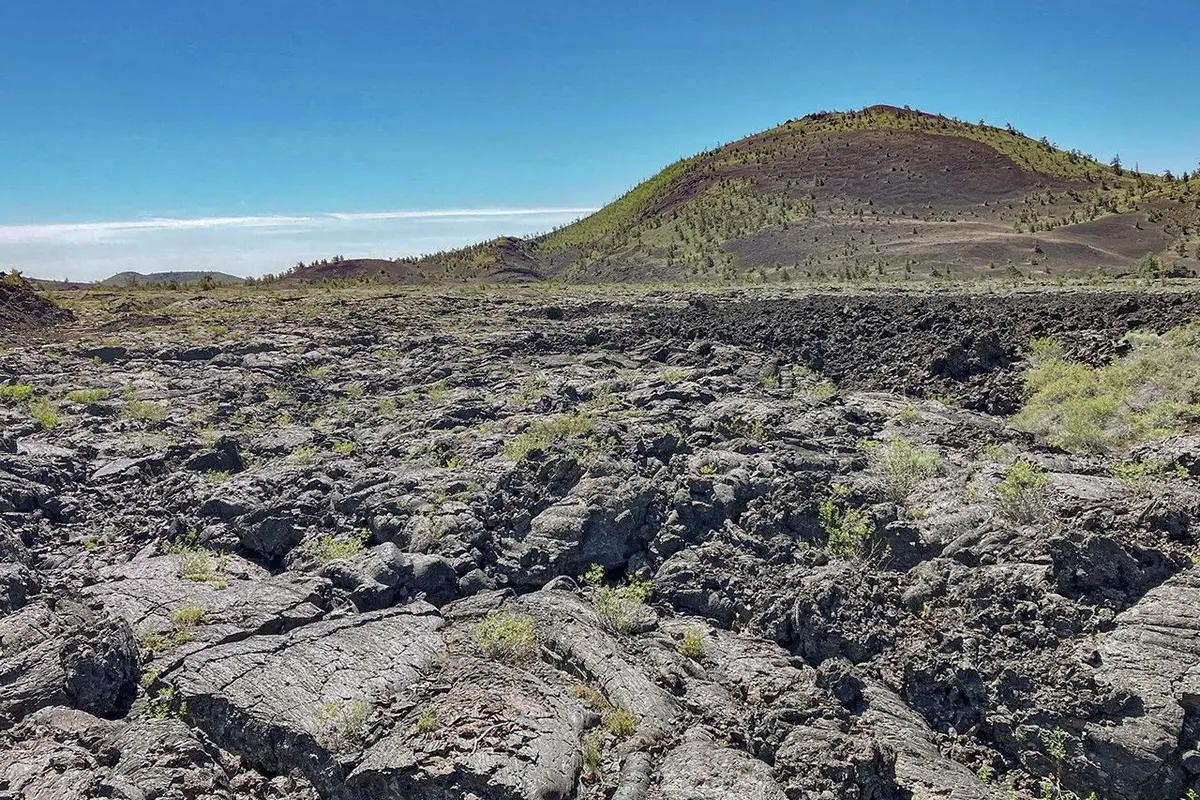
Illustrative photo: Rough basaltic lava field in the foreground with jagged, broken flows and sparse vegetation, and a low cinder-cone hill under a clear blue sky.
Illustrative photo · creditsIllustrative photo: NASA Earth Observatory images by Michala Garrison, using Landsat data from the U.S. Geological Survey. Story and 2024 photo of Craters of the Moon lava and cinder cone by Lindsey Doermann. — Moonscapes of Idaho (154207 - cratersmoon lava pho lrg).jpg · Wikimedia Commons · Public domain. Changes: photo cropped and resized by The Daily Lift.

Breakthroughs

Martian Volcanic Discovery Could Be ‘Smoking Gun’ in Search for Life

Researchers report detection of trace volcanic gases on Mars, including hydrogen chloride seeping from volcanic rifts.

Source: Good News Network