
Daily editionFree · Ad-free · Sourced
The Daily Lift

Good news, every day. Substantial, verifiable progress.

Planet

A glimmer of good news for Britain's sleepy dormouse

Recent figures indicate Britain's hazel dormouse populations may be stabilizing after decades of decline. The data suggest warmer summers have boosted survival rates, offering cautious optimism for the species' recovery.

Original reporting: BBC · Science & Environment · 1 min read

Originally published by BBC · Science & Environment: First briefed by The Daily Lift: Last updated:

Original The Daily Lift illustration for Planet, not a photograph
Original illustration by The Daily Lift, not a photograph.

Why this is good news

These figures could matter because they suggest Britain’s hazel dormouse populations may be stabilizing and that warmer summers have boosted survival rates. Those trends are significant for the species because they offer cautious optimism for recovery after decades of decline.

What happens next

What additional evidence or longer-term data are needed to confirm that populations are truly stabilizing and that warmer summers are consistently boosting dormouse survival rates?
Read the full story at BBC · Science & Environment

This is a short original brief by The Daily Lift, not the publisher's full article. Credit and copyright for the original reporting remain with BBC · Science & Environment.

Report a problem with this story · Corrections policy

Related stories

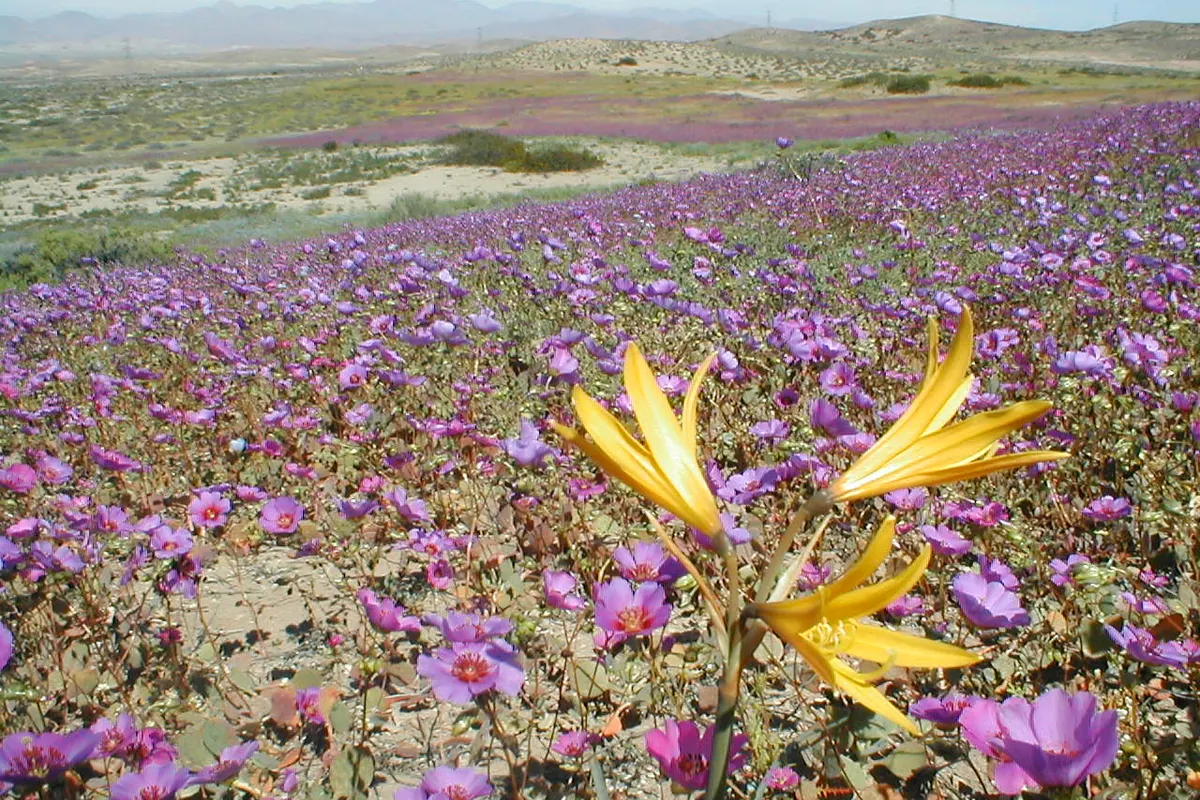
Illustrative photo: Sandy, arid plain densely carpeted with low purple wildflowers and a cluster of yellow flowers in the foreground; low hills and a blue sky are visible in the distance.
Illustrative photo: Javier Rubilar — Desierto florido.jpg · Wikimedia Commons · CC BY-SA 2.0. Changes: photo cropped and resized by The Daily Lift. This adapted photo is shared under the same licence, CC BY-SA 2.0. The licence applies to the photo only, not to the story text.

Planet

World’s Driest Desert Erupts into Record-Breaking Bloom Boom (LOOK)

Chile’s Atacama Desert—described as the driest place on Earth only weeks earlier—has erupted into an exceptionally large floral display. Reports say roughly 200 species are blooming, including in areas where flowers have not appeared since before the new millennium.

Source: Good News Network · Brief published · 1 min read

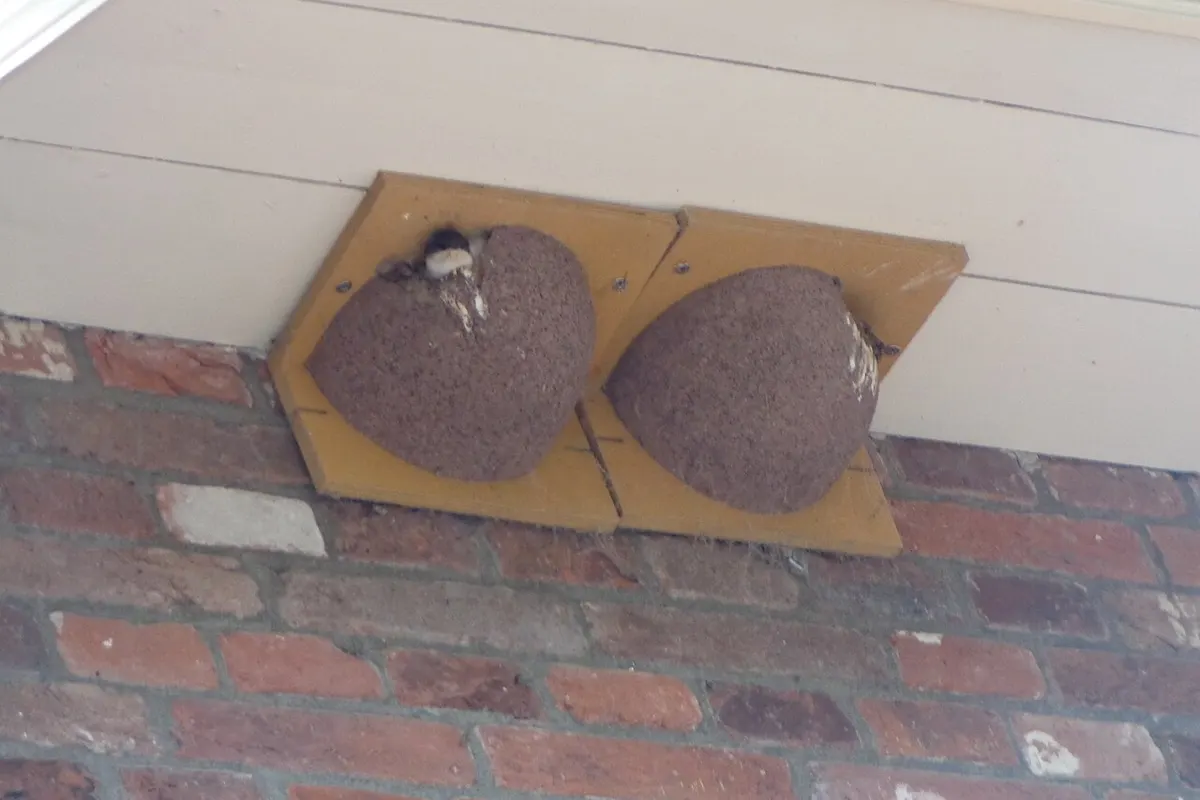
Illustrative photo: Two dome-shaped artificial house martin nests mounted on a wooden backing beneath a building eave above a brick wall; a small bird peers from the left nest entrance.
Illustrative photo: HenkvD — Groot Zandbrink Zwaluwnesten.JPG · Wikimedia Commons · CC BY-SA 3.0. Changes: photo cropped and resized by The Daily Lift. This adapted photo is shared under the same licence, CC BY-SA 3.0. The licence applies to the photo only, not to the story text.

Planet

House martin artificial nests scheme set to expand

A scheme to expand artificial nests for endangered migratory house martins is set to expand. The installed nests are more robust than the birds' own mud constructions.

Source: BBC · Science & Environment · Brief published · 1 min read